A sponsored feature by the Tryozi Health Desk · 2026 · Not medical advice
Somewhere along the way, the deal stopped being fair.
The early diets worked. A little effort, a few pounds, a quick reward. Then, year by year, the same effort bought less and less. The portions got smaller, the workouts got longer, and the scale barely noticed. Eventually the math stopped adding up: more discipline than ever, and less to show for it.
That is where frustration turns into something quieter and heavier. Not a number problem. A worn-down sense that the body is no longer on the same side.
The exhaustion no one sees
The hardest part is rarely the food. It is the thinking about the food.
A running calculation that starts at breakfast and never fully switches off: what was eaten, what is left, what it will cost later. It follows a person into meetings, into the school run, into bed at night. By evening there is no willpower left to spend, because it has been leaking all day. From the outside it looks like a lack of effort. From the inside it is the opposite. It is effort with no off switch.
The cycle that keeps resetting
Then there is the loop.
A clean start, full of resolve. A slip. A restart promised for next week. Weight that comes off over a hard stretch and finds its way back over an easier one. Each lap takes something, and it is not only weight. It quietly chips away at the belief that it can be done at all. After enough laps, the goal stops feeling like a plan and starts feeling like a personality flaw.
The verdict that is not deserved
Which leads most people to the same private conclusion about themselves: I just do not have the discipline.
It gets handed down quietly, alone, usually late at night. And it is almost always wrong. The thing making this so hard is not a missing virtue. It is a signal.
What is actually going on
The body has a built-in way of saying enough.
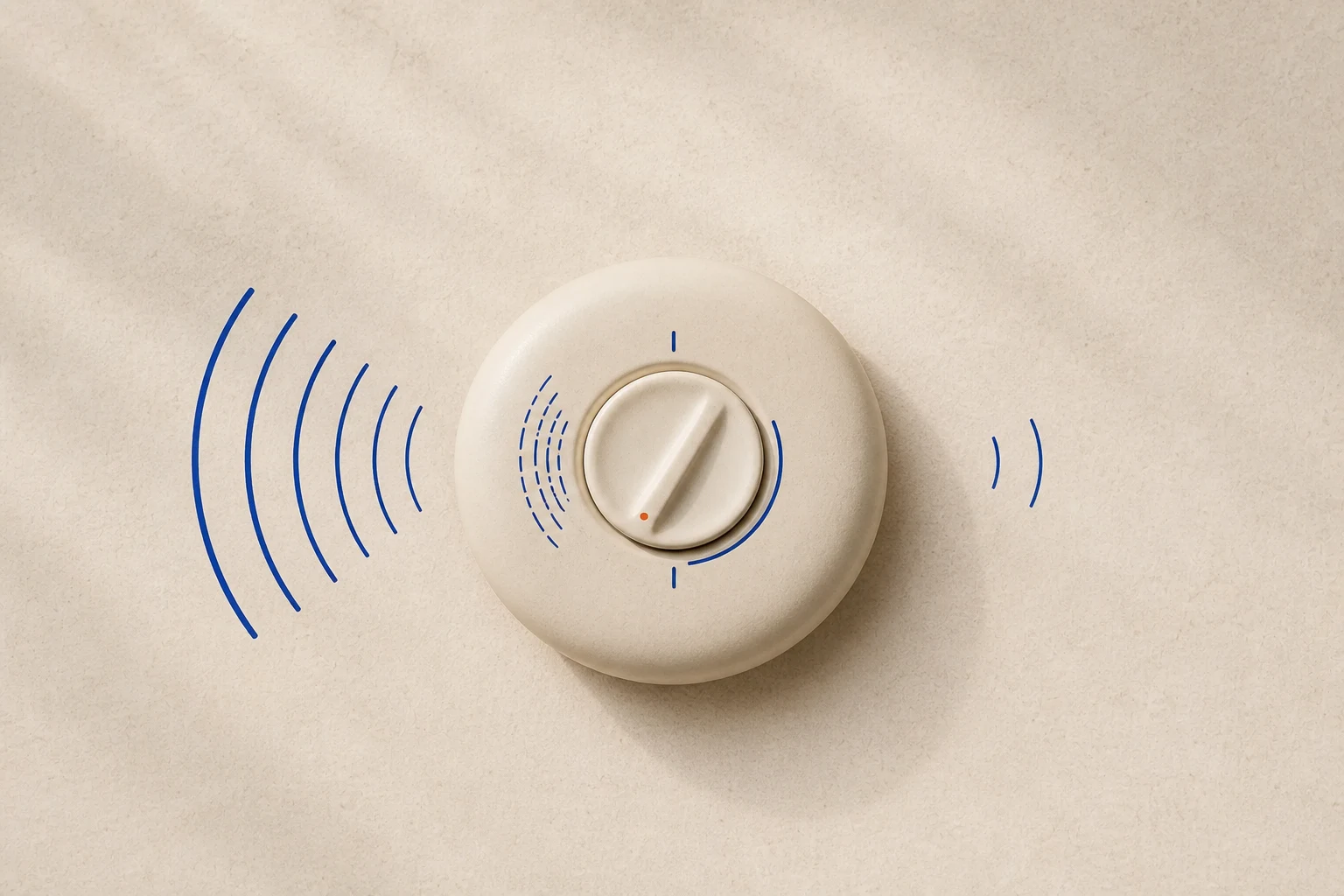
After a meal, the gut releases a hormone that tells the brain the tank is full. When that message comes through clearly, a person stops eating without thinking about it, and forgets about food until the next meal. When it comes through faintly, which it does for a lot of people, the appetite never really settles and the food thoughts run all day. Researchers have a name for that constant hum. They call it food noise.
That single fact reframes the whole struggle. The effort was real. The willpower was real. It was being spent fighting a signal that was turned down at the source. No amount of trying harder changes the volume.
The part that finally changed
For a long time, there was nothing to do about that signal except try to out-shout it. That has changed.
A class of medicines called GLP-1s carries a longer-lasting version of the same fullness signal the body already uses, and turns it back up. In a 68-week trial, participants lost on average about 15% of their body weight, next to about 2% on placebo, alongside diet and activity support (STEP 1, NEJM 2021). What people tend to mention first, though, is not the scale. It is the quiet. (Study averages. Individual results vary, and these are not Tryozi outcomes.)
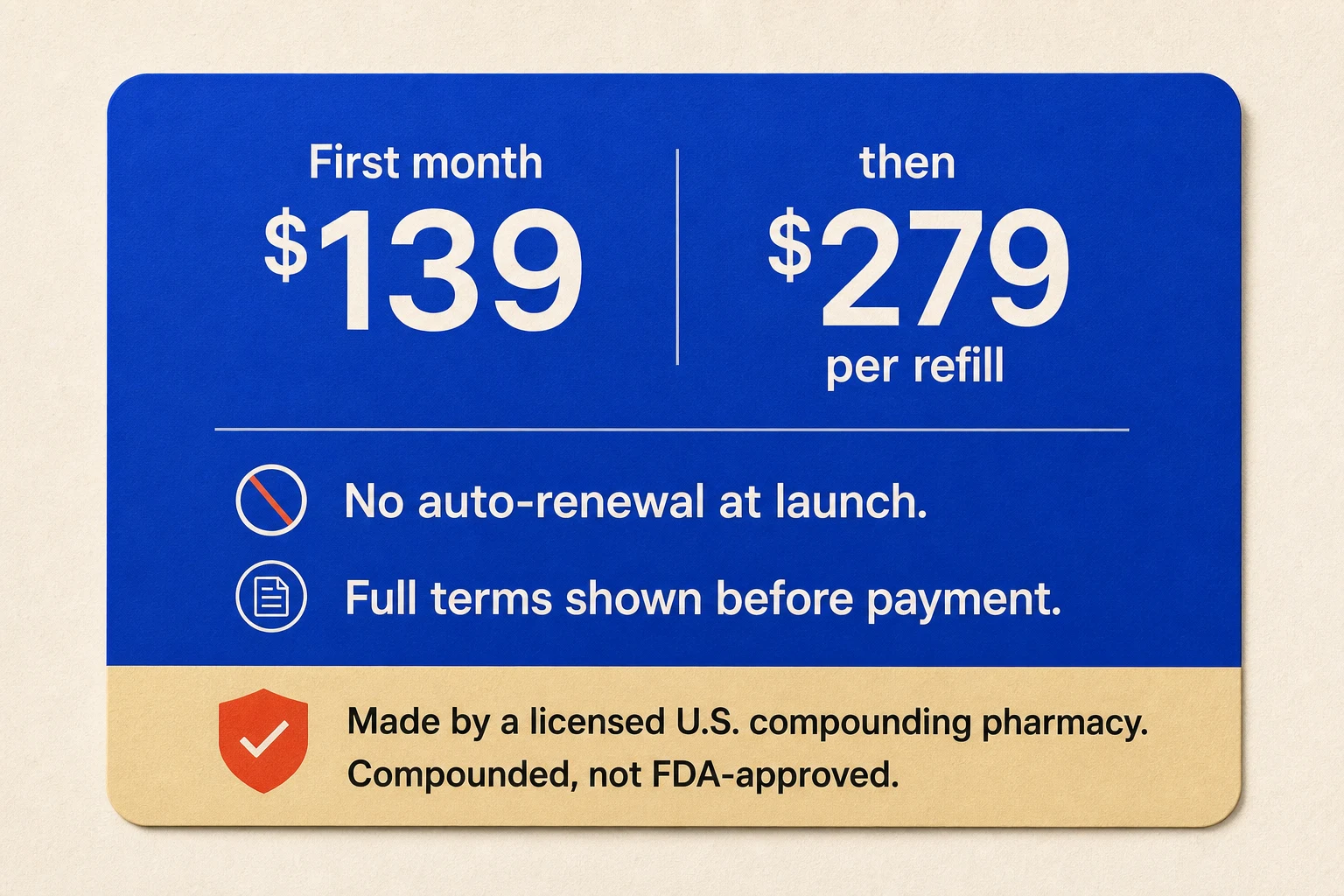
It is a real medicine, not a supplement, which is why it belongs behind a real clinician rather than a checkout button. Tryozi offers a clinician-guided path: through its medical partner OpenLoop, a licensed clinician reviews a person's history and current medicines and prescribes only when it is appropriate. The medicine is a once-weekly injection of compounded semaglutide, made by a licensed U.S. compounding pharmacy. Compounded medicine is not FDA-approved, and Tryozi names it plainly rather than hiding it. The pricing is flat and shown up front: $139 for the first month, then $279 per refill, with no automatic renewal at launch.
Where to start
There is nothing to decide today. The only step is finding out whether the whole thing was ever really about willpower in the first place.
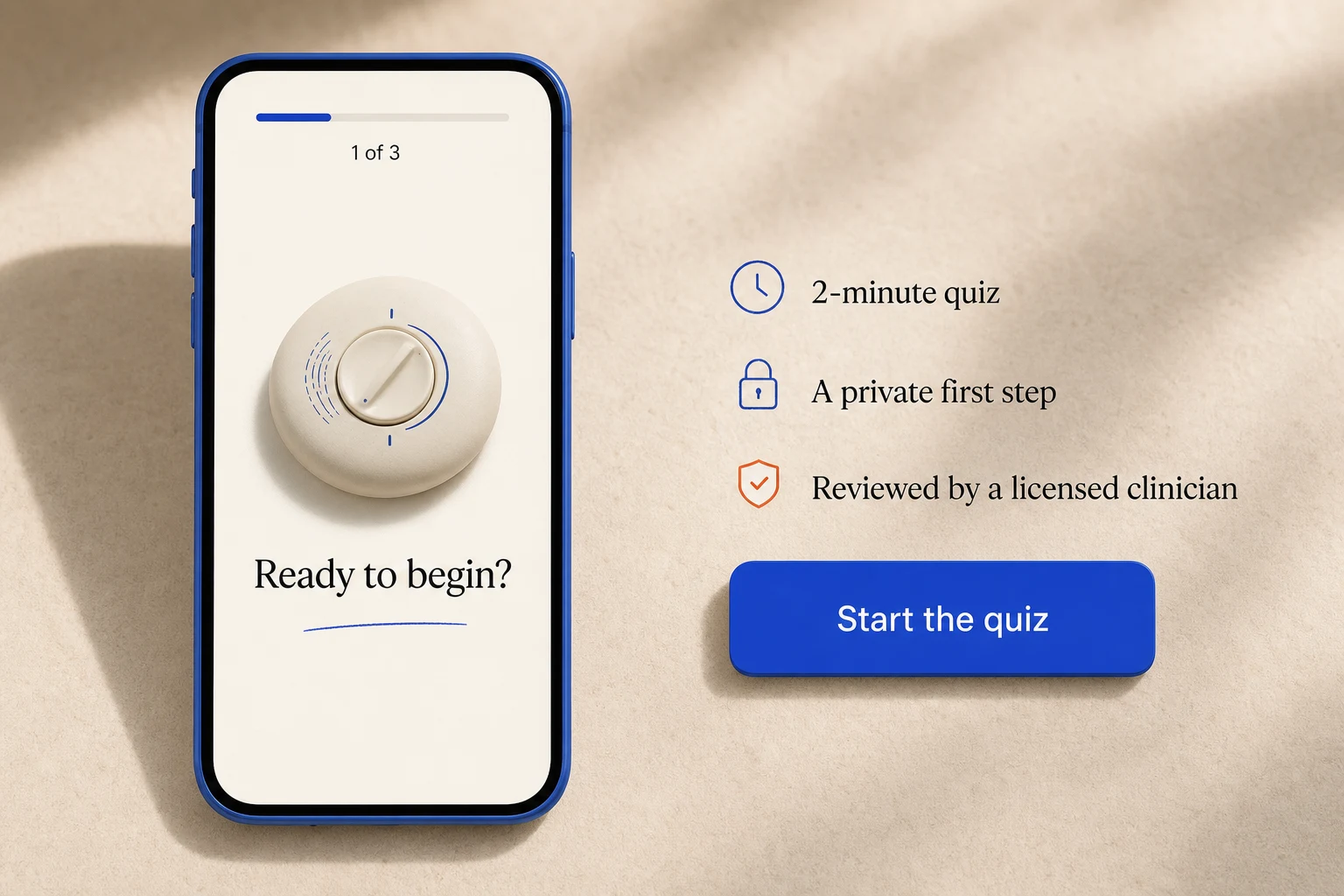
It starts with a private, two-minute quiz, reviewed by a licensed clinician. If it makes sense, the clinician walks through the honest next steps: the side effects, the flat price, and what the plan actually looks like. If it is not the right fit, the answer is a straight no.