An educational feature on GLP-1 care. Sponsored by Tryozi. Not medical advice.
The body has its own off switch for hunger.
Every time we eat, the gut releases a hormone that carries one message to the brain: that is enough, stop now. Scientists tracked it down in the 1980s and named it GLP-1.
Here is the catch. The body burns through GLP-1 in minutes, far too fast to do much good, and in a lot of people the signal is weak to begin with. So the message barely lands, and the thoughts about food never switch off. They run in the background all day. There is a name for that constant hum. They call it food noise.
For decades, people who could not lose weight were treated as if they simply lacked willpower. They didn't. They were up against a signal turned down at the source.
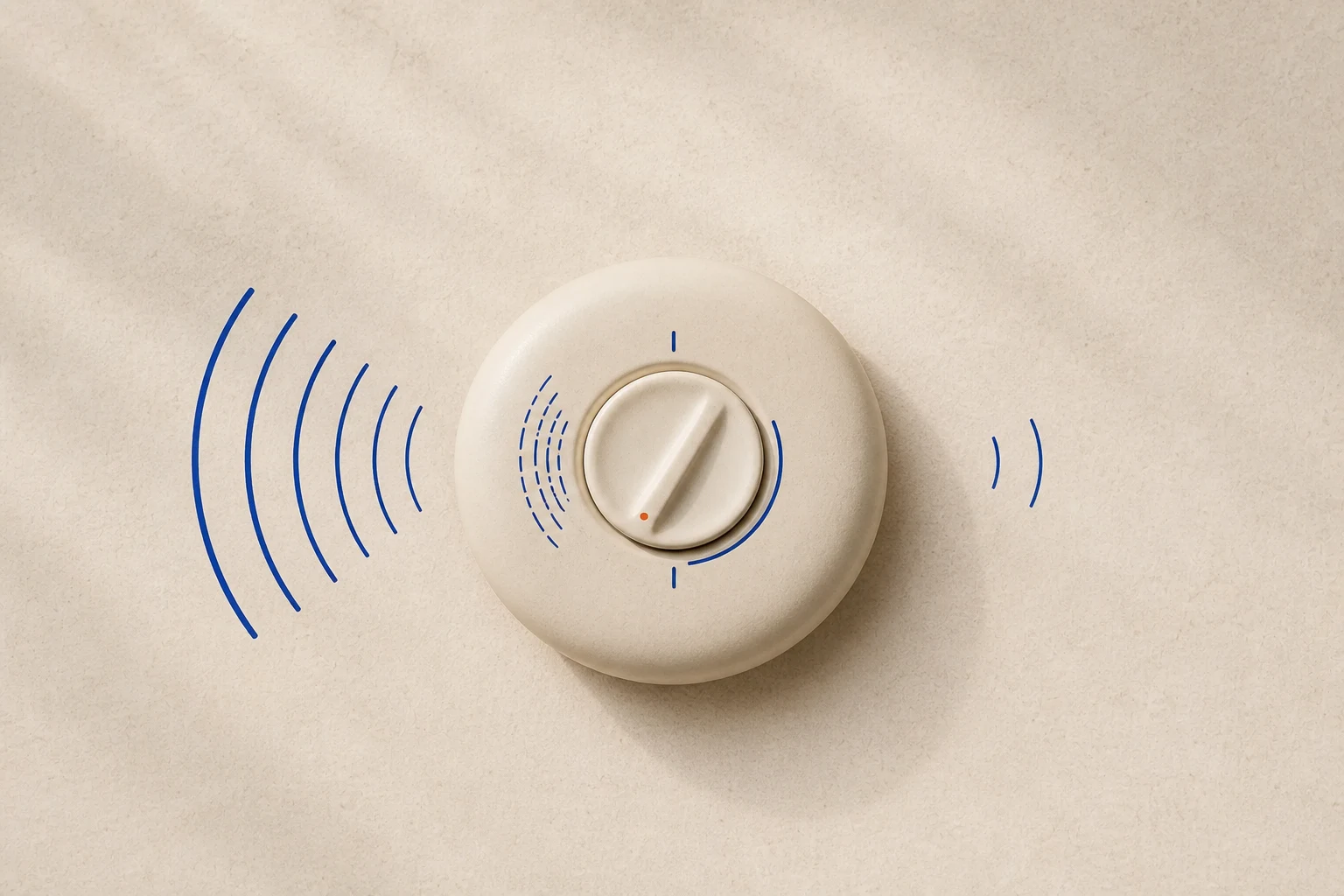
Then came the fix. It took decades of work to build a version of GLP-1 that lasts long enough to stop hunger. That version is semaglutide. It carries the same signal the body already sends and keeps the switch flipped on. It's not a stimulant. It works with the body, not against it.
See if GLP-1 could help you: take a two-minute quiz, reviewed by a licensed clinician.
The Research That Backs Up GLP-1 Claims
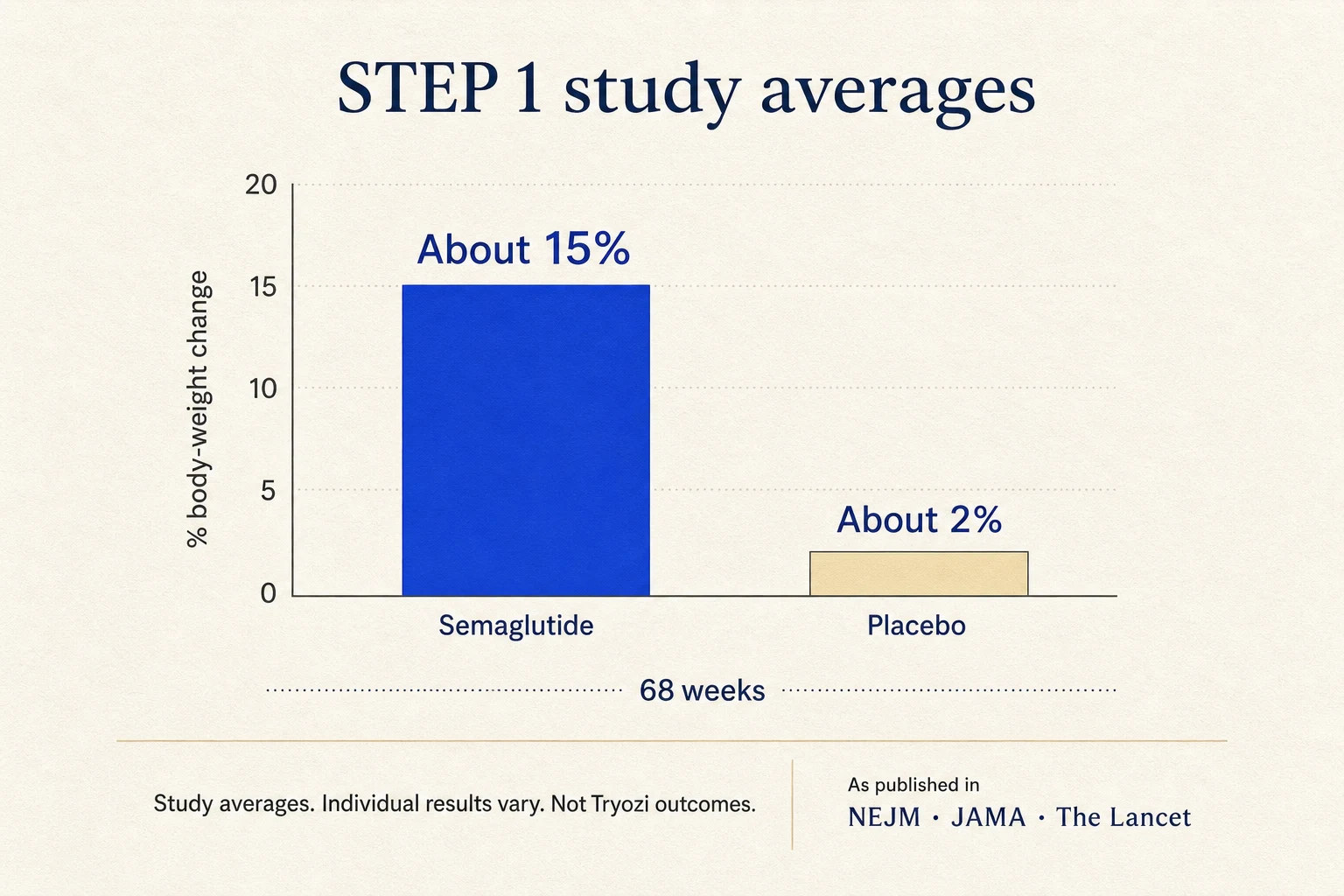
This is not guesswork or a viral trend. Researchers have put semaglutide through large clinical trials and published the results in journals like the New England Journal of Medicine, JAMA, and The Lancet.
- In a 68-week trial (STEP 1, NEJM 2021), participants lost on average about 15% of their body weight, next to about 2% for the placebo group, alongside diet and activity support. (Study averages. Individual results vary, and these are not Tryozi outcomes.)
It is worth noting that GLP-1 isn't a quick fix. The weight tends to return if treatment is cut short. That is why Tryozi provides ongoing care and support, beyond just a one time prescription. And since we're talking about real medicine, no order is shipped before a licensed clinician reviews the person's health and history first.
Why So Many GLP-1 Offers Feel Like a Trap
The GLP-1 boom brought a wave of programs with it. Some promise unrealistic results. Others lock you in with a low price, then double it every month. Some don't even have real doctors involved. And many make the subscription nearly impossible to cancel.
Tryozi runs the other way, on four plain promises.
A clinician reviews first. No prescription comes from filling out a form. A licensed clinician, through Tryozi's medical partner, reviews the person's health history and prescribes only when it is appropriate. When it is not, they say so.
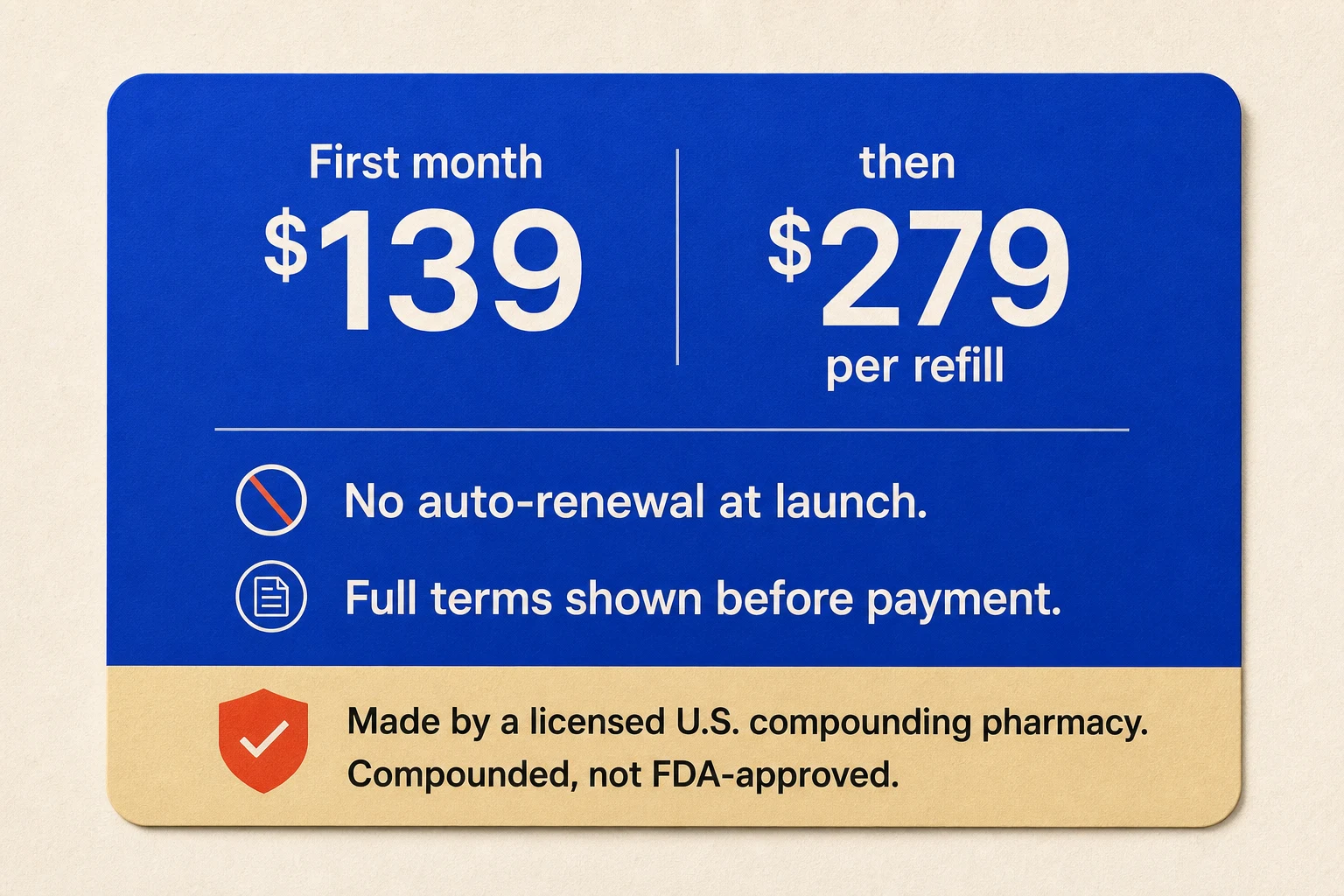
The medicine is named plainly. A licensed U.S. compounding pharmacy makes it, and it is compounded semaglutide. Compounded medicine is not FDA-approved, and Tryozi states that transparently, not in a footnote.
The price holds. The first month is $139, and each refill after is $279. No surprise jump, and no automatic renewal. The patient decides when to continue and sees all fees upfront.
Support continues after checkout. The first few weeks are the hardest, and that is when a real person stays reachable, checking in, answering the "is this normal?" questions, and keeping a clinician involved.
Finding out whether it fits you takes about two minutes:
What People Say Actually Changed
Ask people what changed, and the first answer is rarely a number.
They describe thinking about something other than food for the first time in years. They describe reaching the end of the day with enough energy left to sit on the floor and play with their kids, instead of running on empty. They describe the unfamiliar quiet when the arguing in their head finally goes still.

Where to Start
There is nothing to decide today. The only step is finding out whether this is a fit.
It starts with a private, two-minute quiz. A licensed clinician reviews the answers and, when it makes sense, walks through the honest next steps: the side effects, the real price, and what the plan actually looks like. When it is not the right fit, the answer is a straight no.